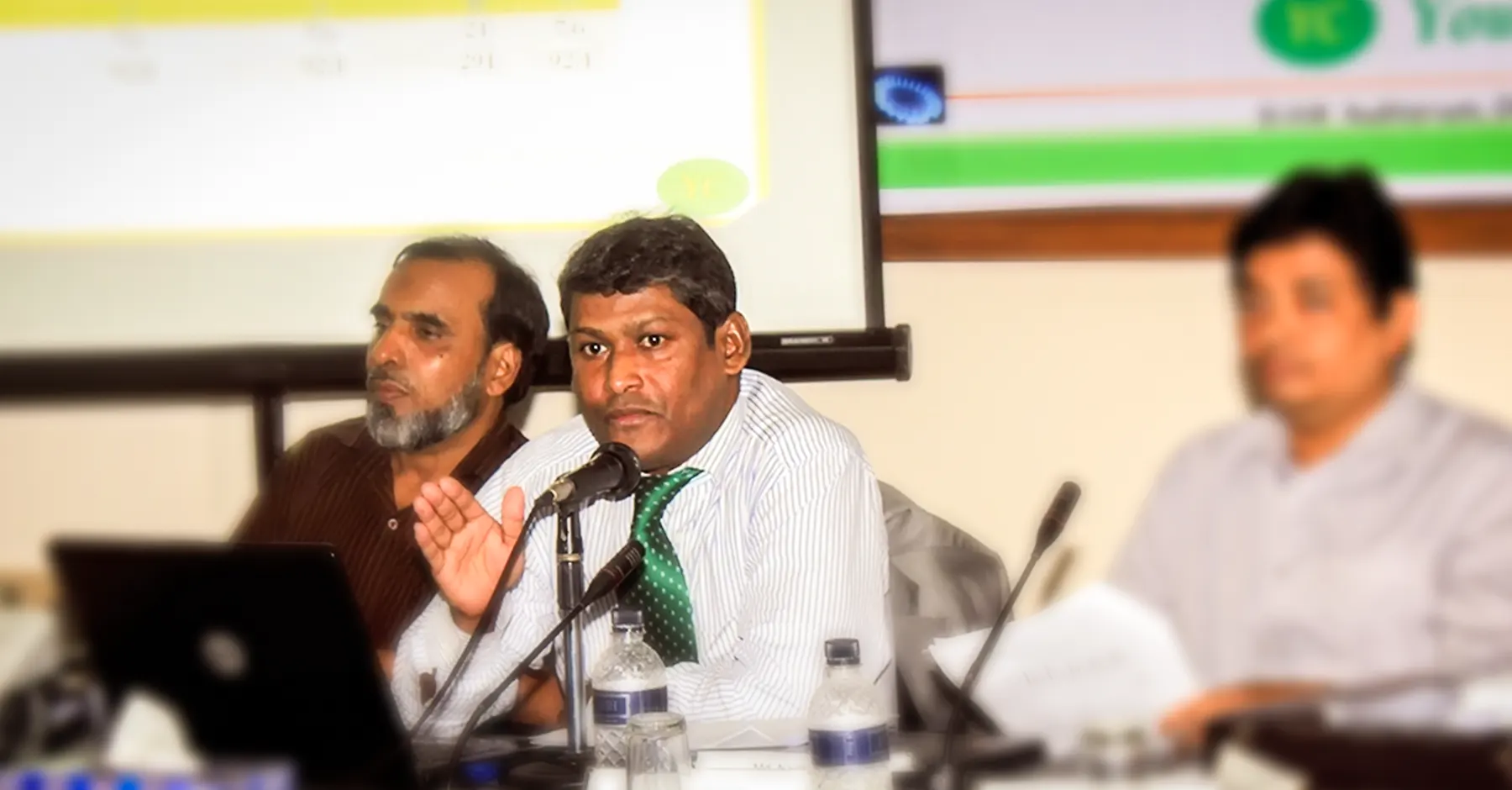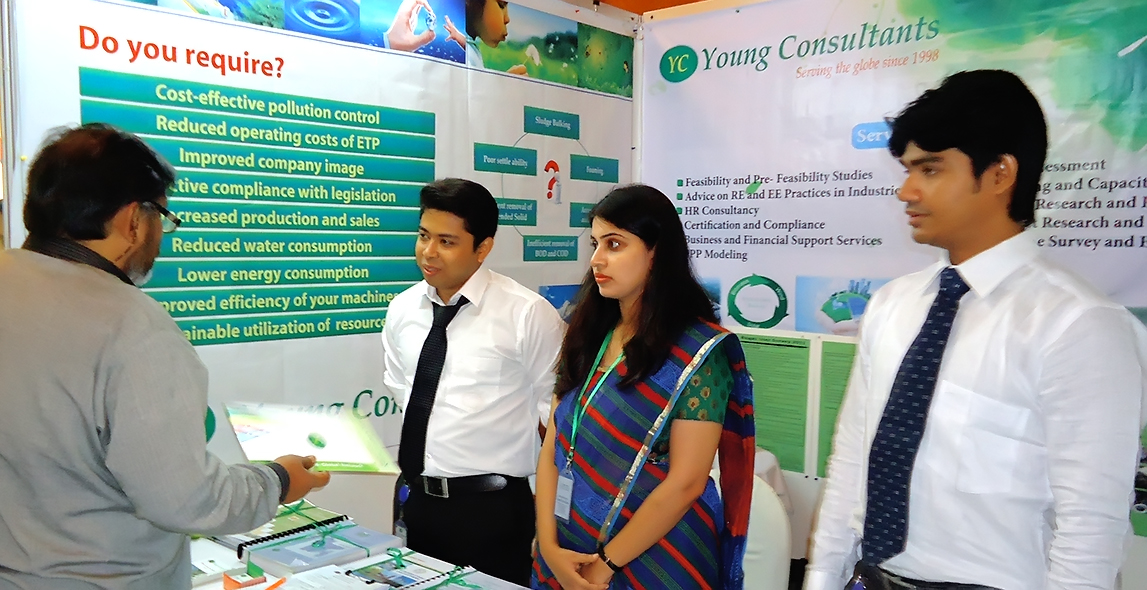
The Fael Khair Waqf (FKW) in Bangladesh commissioned a feasibility study to identify and evaluate appropriate investment schemes capable of generating sustainable and permanent income to finance its ongoing operations and fulfil its long-term institutional objectives. With an estimated capital asset base of approximately US$ 20 million, FKW sought to establish an appropriate investment policy that would ensure the prudent utilization of its financial resources while maintaining the long-term sustainability of its operations. The principal objective of the assignment was to examine alternative investment opportunities, assess their respective commercial and financial viability, and recommend the most appropriate investment strategy for generating a stable and sustainable income stream. The study also considered the possibility of allocating a portion of the available capital to support the continuation of FKW’s existing operations, alongside other potential investment options.
Under this assignment, Young Consultants (YC) was engaged by FKW to undertake a comprehensive feasibility assessment of alternative investment schemes and formulate evidence-based conclusions and recommendations to inform the organization’s investment policy. The study focused on evaluating the relative merits, risks, resource requirements, and implementation considerations of the investment options under review. The assessment encompassed market, technical, and financial feasibility, with particular emphasis on identifying investment opportunities consistent with FKW’s income-generation objectives and long-term financial sustainability. The assignment was designed to provide the organization with a structured analytical basis for determining the appropriate allocation, scale, and location of investments and for establishing an investment approach aligned with its operational requirements.
The assignment commenced with a comprehensive desk study and review of relevant documents and information relating to FKW, its existing operations, and its financial resources. YC developed structured checklists and interview instruments for conducting Key Informant Interviews (KIIs) with investment bankers, trust representatives, non-governmental organizations (NGOs), and other relevant stakeholders. These consultations were intended to obtain information on potential investment opportunities, prevailing market conditions, institutional considerations, and the practical requirements associated with implementing alternative investment schemes. The study also examined key investment parameters, including the proposed location, nature, and scale of investments, to support the comparative evaluation of the available options.
The market feasibility assessment involved examining relevant macroeconomic conditions and general economic indicators to establish the broader context for investment decision-making. The assessment included demand estimation, supply estimation, identification of critical success factors, and analysis of the demand-supply gap for the relevant investment opportunities. These analyses were intended to establish the commercial prospects of the options under consideration and identify the principal market conditions that could influence their viability and income-generating potential. The findings provided an analytical basis for assessing market opportunities, identifying potential constraints, and determining the suitability of alternative investment schemes within the prevailing economic environment.
The technical feasibility component involved reviewing and evaluating the alternative options for utilizing FKW’s capital resources. Each option was examined in terms of its implementation requirements, operational considerations, resource needs, and practical feasibility. The assessment also documented the principal advantages and disadvantages of the alternatives considered, together with the underlying considerations supporting or limiting their adoption. This comparative approach was intended to enable FKW to assess the relative suitability of different investment propositions and identify options that could be implemented effectively while supporting the organization’s long-term income-generation objectives.
The financial feasibility assessment involved estimating the costs associated with the resources required for the proposed investment schemes and determining the overall estimated investment expenditure. The assessment also considered the anticipated implementation period and incorporated financial projections and supporting calculations to evaluate the financial performance of the alternatives under consideration. Key analytical components included the preparation of working capital schedules and depreciation schedules, together with the calculation of relevant financial indicators, including Net Present Value (NPV) and Internal Rate of Return (IRR). These analyses were intended to facilitate a comparative assessment of the expected financial returns, investment requirements, and long-term income-generating potential of the proposed schemes.
The assignment further involved consolidating the findings of the document review, stakeholder consultations, market assessment, technical evaluation, and financial analysis into a comprehensive feasibility assessment. The resulting analysis was intended to inform recommendations on the most appropriate investment options, the proposed allocation and utilization of available capital, and the measures necessary to establish a sustainable source of income for FKW. By examining alternative investment propositions through an integrated feasibility framework, YC sought to provide the organization with a sound analytical foundation for investment policy formulation and long-term financial planning.
The assignment was undertaken over a six-month period in 2016, with an approximate contract value of US$ 25,000 and an estimated input of seven staff-months. Through the assessment of alternative investment schemes and the application of market, technical, and financial feasibility analyses, YC supported FKW’s efforts to identify a suitable investment approach for generating sustainable income, maintaining operational continuity, and strengthening the long-term financial sustainability of its institutional activities.
Sat - Thu: 09:30AM - 05:30PM
Fri: Closed