The Northern Areas Reduction of Poverty Initiatives (NARI) Project was undertaken by the Bangladesh Export Processing Zones Authority (BEPZA), with financial support from the World Bank, to facilitate access to employment opportunities in the ready-made garment (RMG) sector for poor and vulnerable women originating from the northern districts of Bangladesh, namely Rangpur, Kurigram, Nilphamari, Lalmonirhat, and Gaibandha. The project sought to address the structural and practical barriers faced by these women in accessing formal employment by facilitating the provision of information, technical and life skills training, transportation, accommodation, and other essential support services necessary for their transition to urban life and employment. The establishment of dormitories and training centres within designated Export Processing Zones (EPZs) constituted a key intervention envisaged under the project to facilitate women’s participation in the labour market and promote their socioeconomic advancement.
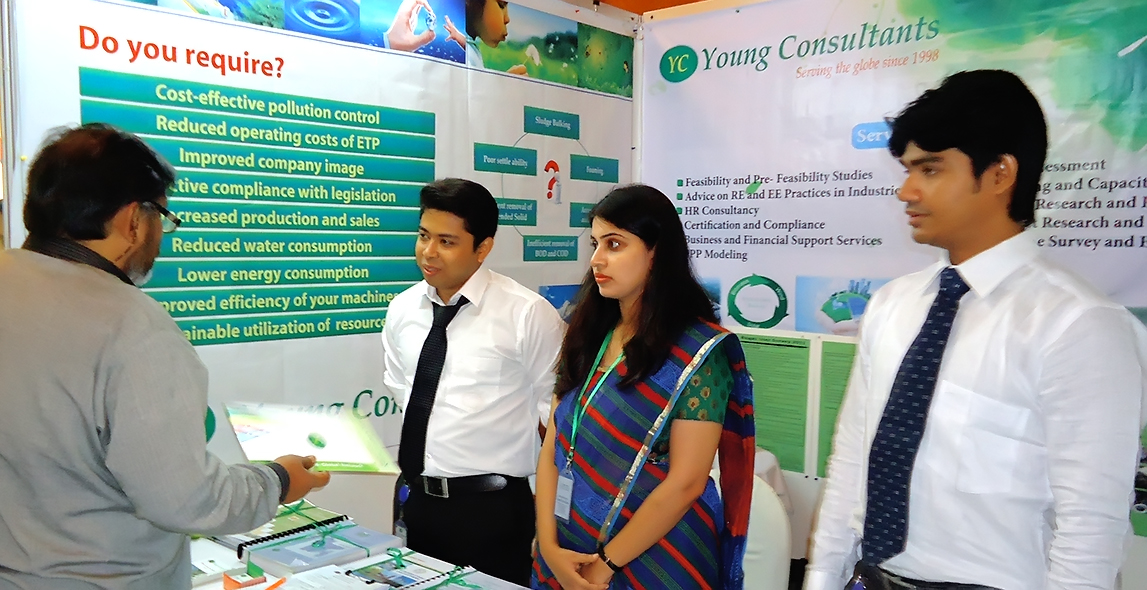
Under the initial project design, three EPZs—Dhaka, Karnaphuli, and Ishwardi—were identified as potential receiving areas for the establishment of dormitory and training facilities on the basis of prior assessments. Subsequently, during the approval process of the Development Project Proposal (DPP), the competent authorities considered the possibility of incorporating Uttara EPZ, located in Nilphamari, as an additional receiving area under the NARI Project. Accordingly, a feasibility assessment was commissioned to examine the viability of establishing a Dormitory cum Training Centre (DTC) at Uttara EPZ. Young Consultants (YC) was engaged to undertake the assignment, with the principal objective of conducting a systematic and comprehensive assessment of the proposed facility and generating the requisite evidence to inform investment planning and decision-making by the relevant authorities.
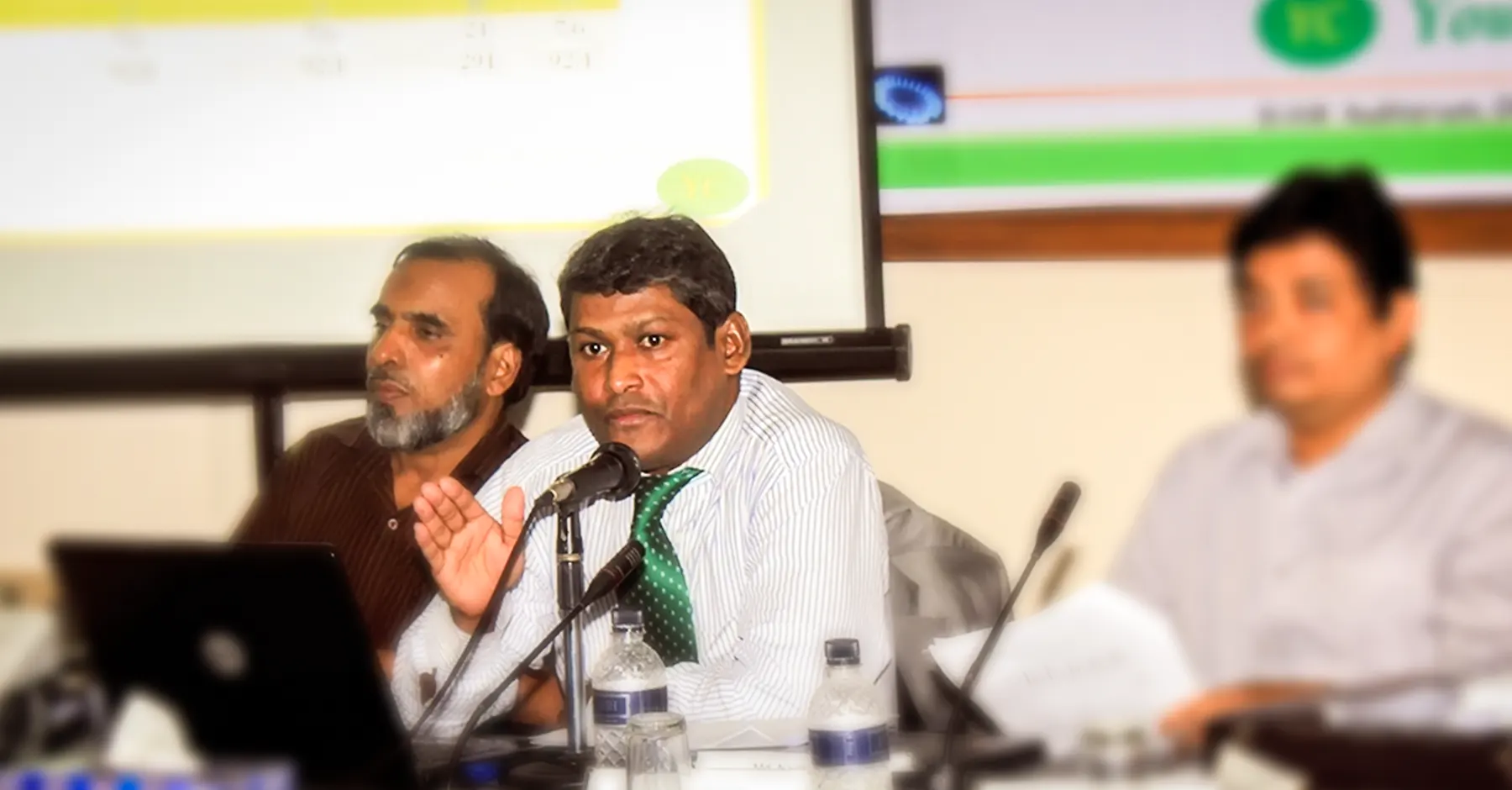
The assignment encompassed a comprehensive assessment of the proposed project site, including a review of relevant project documents, reports, and available secondary information. Primary data were collected through field investigations, face-to-face interviews with ready-made garment workers, Focus Group Discussions (FGDs), Key Informant Interviews (KIIs), and consultations with relevant stakeholders. These activities were designed to establish an informed understanding of the requirements and circumstances of potential beneficiaries, assess the suitability of the proposed location, and identify the principal considerations affecting the establishment and operationalization of the proposed facility. The findings from the field-based investigations and stakeholder consultations were subsequently integrated with the secondary review to establish an evidence-based foundation for the feasibility assessment.
As a substantive component of the assignment, YC undertook a market assessment and demand forecasting exercise to evaluate the prospective demand for the proposed dormitory and training facilities. Financial and economic analyses were conducted to examine the investment viability and anticipated economic benefits of the proposed intervention. Furthermore, robustness analysis was undertaken to assess the sensitivity of the assessment findings to relevant assumptions and variations in key parameters. The assignment also incorporated social and environmental impact assessments to identify potential impacts, associated risks, and relevant considerations arising from the proposed establishment and operation of the DTC. Collectively, these analytical activities were intended to provide a multidimensional assessment of the proposed investment, encompassing demand, financial and economic viability, resilience under alternative scenarios, and social and environmental considerations.
The assignment additionally involved the systematic compilation, processing, and analysis of primary and secondary data, followed by the preparation of a comprehensive feasibility assessment report. The report consolidated the findings of the site assessment, market analysis, demand forecasting, financial and economic evaluations, robustness analysis, and social and environmental impact assessments. It provided a consolidated analytical basis for evaluating the suitability of Uttara EPZ as an additional receiving area under the NARI Project and for informing subsequent decisions concerning the proposed establishment of the DTC.
The assignment was undertaken over a period of three months, commencing in July 2013, with an approximate contract value of US$ 46,150. Through the delivery of a comprehensive, evidence-based feasibility assessment, YC supported the evaluation of the proposed Dormitory cum Training Centre at Uttara EPZ, contributing to the planning and appraisal of an intervention intended to facilitate access to accommodation, training, and employment opportunities for poor and vulnerable women from the northern districts of Bangladesh, in accordance with the broader objectives of the NARI Project.
Sat - Thu: 09:30AM - 05:30PM
Fri: Closed