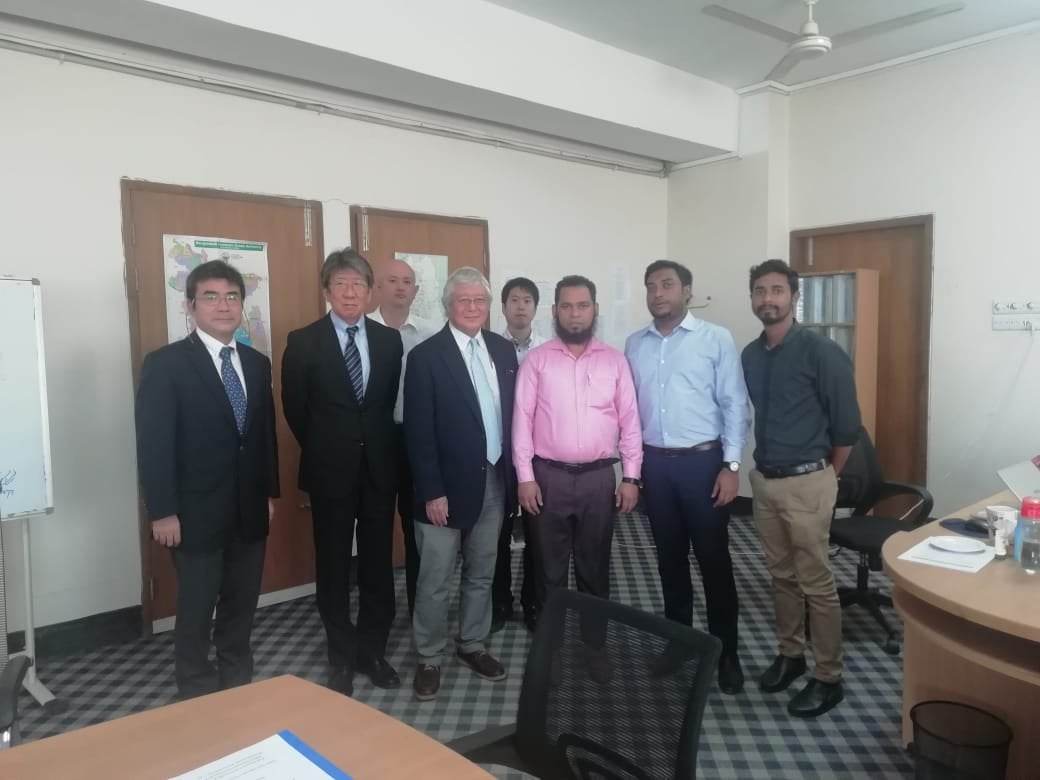
The assignment involved conducting a comprehensive data collection survey and site assessment for the Japan International Cooperation Agency (JICA) to support the evaluation and planning of Special Economic Zone (SEZ) development in Bangladesh. JICA engaged Young Consultants (YC) to undertake a detailed study covering site characteristics, existing infrastructure, environmental and social conditions, socio-economic considerations, and financial and development-related issues. The study examined the suitability of the proposed site or sites, their surrounding areas, regional accessibility, utility availability, and potential development constraints. It also aimed to identify critical risks or fatal flaws that could affect site suitability and provide essential information to support informed decision-making and subsequent planning for SEZ development.
Scope of Services Provided
The assignment covered an integrated data collection and assessment process, including background information review, site inspections, physical and infrastructure assessments, environmental and social investigations, socio-economic considerations, and consultations with relevant government officials. The principal services provided included:
Background Information Review and Preliminary Site Assessment: Reviewed available background information and conducted site visits to examine the location, size, area, surrounding context, on-site and off-site infrastructure, and existing environmental and social conditions. Identified potential fatal flaws, including constraints that could make a site unsuitable for development or require technically impractical or financially prohibitive mitigation measures.
Surrounding Area and Regional Accessibility Assessment: Examined the neighbourhoods and surrounding areas of the proposed site or sites to identify geographical, infrastructural, environmental, and social characteristics relevant to SEZ development. Identified nearby urban and rural communities and their distances from the sites, as well as nearby hospitals and schools. Assessed connectivity to key regional infrastructure, including airports, railway facilities, seaports, and national highways. Evaluated surrounding residential and other land uses that could be adversely affected by large-scale economic zone development, identified relevant environmental and social concerns, and assessed potential constraints affecting site suitability.
Physical, Geographical, and Land-Use Assessment: Evaluated the physical and geographical characteristics of the proposed site or sites, including landscape features such as rolling hills, floodplains, water bodies, trees, and rivers; general soil types, without conducting soil testing; earthquake-zone considerations; and climatic conditions, including rainfall and monsoon patterns. Examined the type and density of vegetation, existing land-use categories such as commercial, residential, recreational, and industrial uses, and the presence of industrial activities and agricultural practices. Documented existing infrastructure and structures, including bridges, dams, retaining walls, houses, mosques, historical structures, and graveyards. Identified illegal settlements and other potential physical constraints or fatal flaws that could affect SEZ development.
Environmental Assessment: Examined the environmental conditions and potential risks associated with the proposed site or sites. The assessment covered the frequency and extent of erosion and flooding, earthquake occurrence and magnitude, and the presence and location of rivers and lakes and their implications for site development. Evaluated the potential need for land filling and the required elevation of land raising, where applicable, and identified wetlands and protected areas within the sites and their surrounding 10-kilometre radius. Investigated existing sources and types of pollution, the availability and sources of clean water, potential alternative water supply sources, and possible contamination of the sites and surrounding lands. Assessed whether contamination could be mitigated and examined the availability of wastewater discharge and treatment facilities, nearby solid waste disposal facilities, and other environmental constraints. Identified potential fatal environmental flaws that could affect site suitability.
Social and Socio-Economic Assessment: Conducted a preliminary assessment of the social characteristics and socio-economic conditions of the proposed site or sites and surrounding communities. Examined urban and rural population sizes, existing housing types and construction materials, community facilities and services such as schools, hospitals, shops, and mosques, and the principal livelihoods of local inhabitants, including fishing, farming, cattle grazing, and small businesses. Evaluated potential impacts of SEZ development on women and their livelihoods, considered whether resettlement might be required and the approximate number of people potentially affected, and identified significant social constraints and potential fatal flaws relevant to site development.
Infrastructure and Development Considerations: Reviewed the availability and condition of on-site and off-site infrastructure in relation to the requirements of the proposed SEZ development. Considered access to regional transport infrastructure, existing utility services, and other site-related development requirements as part of the broader site assessment and data collection process.
Government Consultation and Information Gathering: Met with relevant government officials to gather information, clarify site-related issues, and support the assessment of the proposed SEZ development. The consultations contributed to the collection and review of information required for evaluating site suitability and understanding relevant development considerations.
Reporting and Documentation: Consolidated the findings from background information reviews, site visits, surrounding-area analysis, physical and geographical assessments, infrastructure reviews, environmental investigations, social and socio-economic assessments, and government consultations. Prepared and submitted the Final Site Assessment Report to JICA, documenting the assessment findings, site-related considerations, potential development constraints, and issues relevant to subsequent SEZ planning.
Key Deliverable
A comprehensive Final Site Assessment Report submitted to JICA, consolidating the findings of the data collection survey and assessments of the proposed SEZ site or sites. The report covered physical and geographical characteristics, surrounding land uses, infrastructure availability, environmental and social conditions, socio-economic considerations, potential development constraints, and identified fatal flaws. The findings provided an information base to support JICA’s evaluation of site suitability and the planning of Special Economic Zone development in Bangladesh.
Assignment Details
Client: Japan International Cooperation Agency (JICA)
Project Location: Dhaka, Bangladesh, as specified in the assignment details
Client Address: JICA Bangladesh Office, 3rd Floor, Bay’s Galleria, 57 Gulshan Avenue (CWS-A19), Gulshan-1, Dhaka-1212, Bangladesh
Telephone: +880-2-9891897
Fax: +880-2-9891689
Email: bd_oso_rep@jica.go.jp
Contract Value: Approximately US$39,000
Duration: 3 months (March 2013–June 2013)
Total Staff-Months: 3 staff-months
Associated Consultants: Not applicable
Senior Professional Staff and Roles:
Mr. M. Zakir Hossain – Economic Zone Development Expert
Dr. Mustafa M. Kamal – Environmental Expert
Dr. Akhter Hossain Chaudhury – Site Assessment Expert
Mr. Pradip S. Chowdhury – Social Expert
Abu Musa Abdullah – GIS Expert
S. M. Firoz Hasan – Coordinator
Sat - Thu: 09:30AM - 05:30PM
Fri: Closed