The Scoping Study to Develop Index-Based/Crop Insurance in Bangladesh was undertaken to assess the feasibility of introducing and developing index-based agricultural insurance mechanisms in Bangladesh as a means of strengthening agricultural risk management and improving the resilience of farmers to weather-related and other production risks. The assignment was commissioned by the International Finance Corporation’s South Asia Enterprise Development Facility (IFC-SEDF) and aimed to examine the technical, institutional, and market conditions necessary to support the development of a viable index-based insurance programme. The study sought to identify existing institutional capacities and gaps, assess underlying agricultural risks and the potential costs of financial interventions in relation to market demand, and formulate an evidence-based framework for designing a comprehensive index-based insurance development programme suited to the agricultural context of Bangladesh.
The assignment was implemented from Dhaka, with field-level activities extending across all 64 districts of Bangladesh. It focused on examining the agricultural sector, identifying the principal risks affecting agricultural production and livelihoods, and assessing the readiness of relevant institutions and market participants to support the introduction and expansion of index-based insurance products. Particular emphasis was placed on understanding the perspectives and capacities of financial institutions, insurance providers, government agencies, agricultural sector associations, non-governmental organizations (NGOs), and other relevant stakeholders. The study was designed to establish a comprehensive understanding of the prevailing agricultural risk environment, institutional arrangements, information requirements, and market conditions influencing the potential development of crop insurance solutions in Bangladesh.
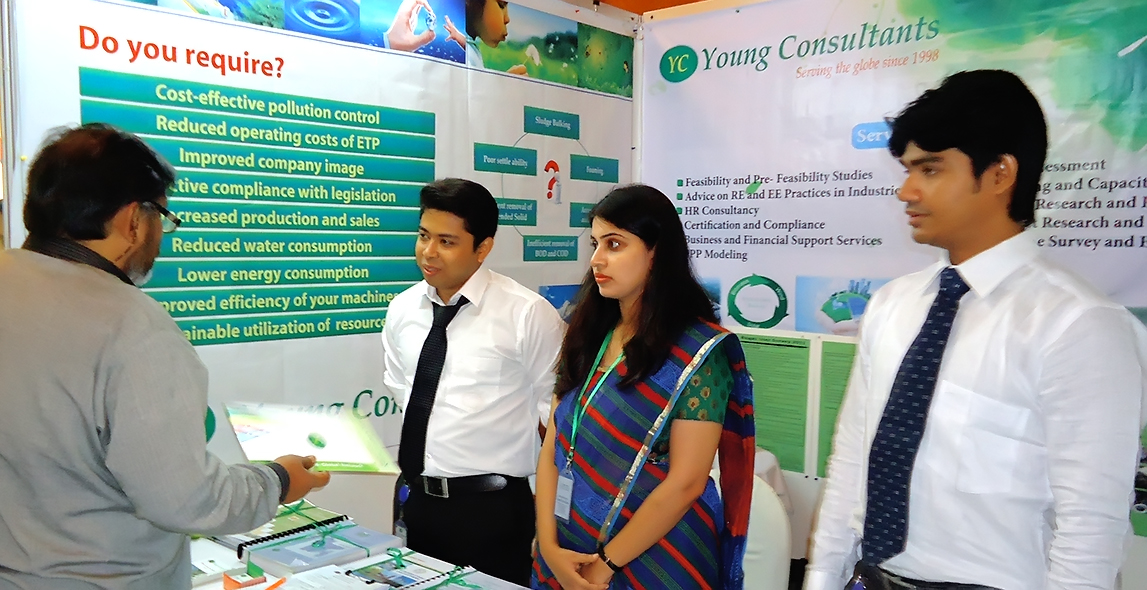
Under this assignment, Young Consultants (YC) worked in association with BASICS Ltd., the lead firm, and Weather Risk Management Services Ltd. to support the implementation of the scoping study through secondary information review, stakeholder engagement, field-level data collection, and research activities. The assignment commenced with a review of available information relating to the agricultural sector of Bangladesh to establish the baseline context for assessing the feasibility of index-based insurance. Relevant information on agriculture, weather conditions, and associated sectoral considerations was collected from various public and private sector agencies. This process supported the identification of relevant data sources and informed the broader assessment of agricultural risks, institutional capabilities, and information requirements for the development of index-based insurance mechanisms.
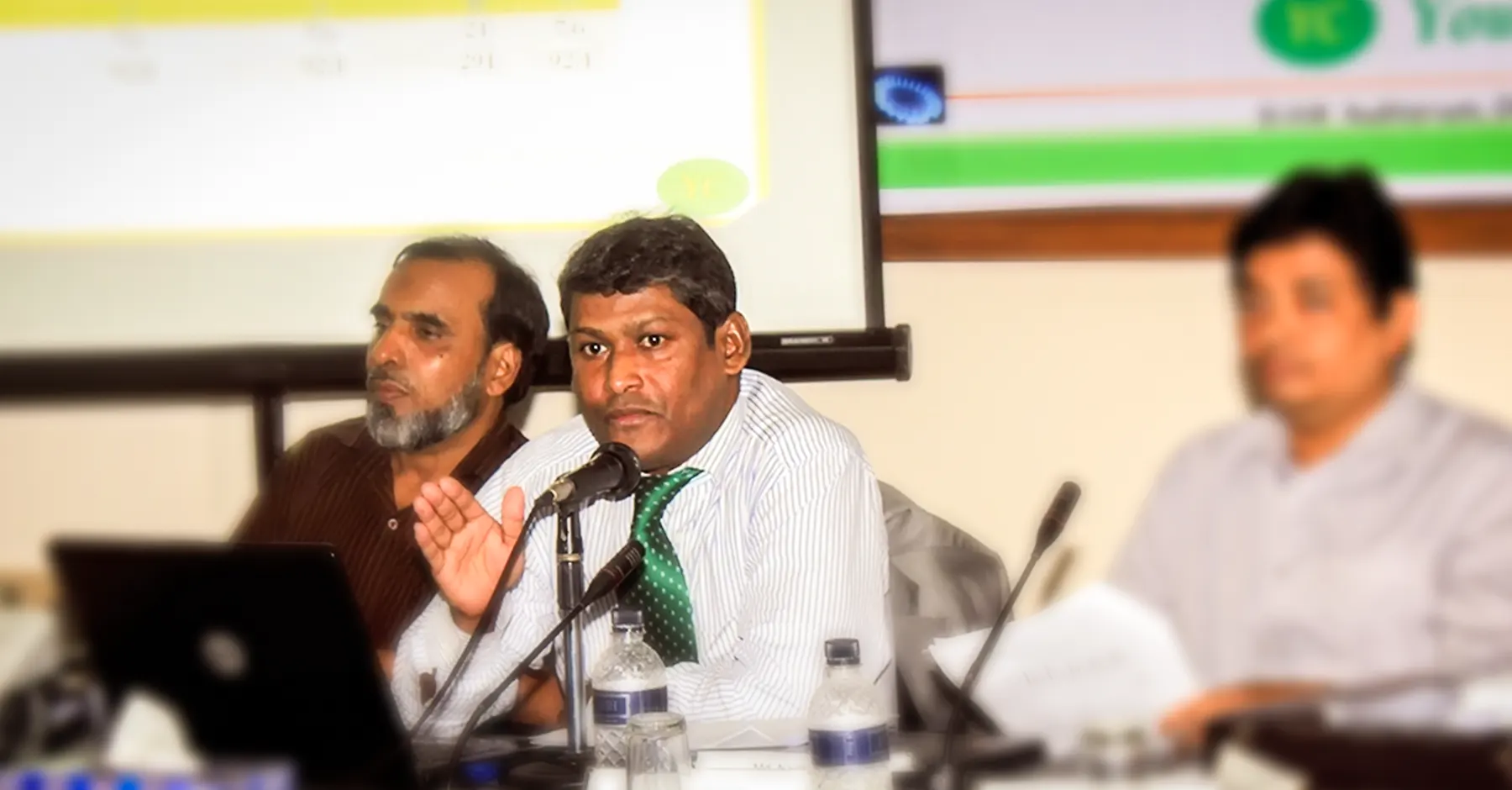
The stakeholder consultation component involved organizing meetings and conducting face-to-face interviews with representatives of banks, insurance companies, relevant government departments, agricultural sector associations, NGOs engaged in agricultural development, media representatives, and other pertinent stakeholders. These consultations were undertaken to obtain insights into existing agricultural risk management practices, institutional capacities, market requirements, operational constraints, and potential opportunities for introducing index-based insurance products. The findings were intended to inform the assessment of institutional readiness, stakeholder interests, and the practical considerations necessary for developing and implementing an effective agricultural insurance programme.
The field research component included the organization and facilitation of 30 Focus Group Discussions (FGDs) across different districts representing the agro-ecological zones of Bangladesh. These discussions provided an important mechanism for gathering qualitative information on agricultural conditions, weather-related risks, stakeholder experiences, and perspectives relevant to the potential adoption of crop insurance. The field-level findings were considered alongside the secondary data review and stakeholder consultations to support a more comprehensive understanding of the risks, information needs, and implementation considerations associated with index-based insurance development. The collection of agricultural and weather-related information from public and private agencies further contributed to establishing the evidence base required for the scoping assessment.
The assignment also involved consolidating research findings and contributing to the preparation of the draft study report. The report documented the relevant sectoral context, stakeholder perspectives, institutional considerations, and findings from field-level investigations. The analytical work was intended to support the identification of technical and institutional gaps, assessment of underlying agricultural risks and intervention costs in relation to market demand, and formulation of recommendations for the development of an appropriate index-based insurance programme. Through this process, the study sought to establish a foundation for designing insurance interventions responsive to the requirements of Bangladesh’s agricultural sector and the capacities of relevant market participants.
The assignment was undertaken over a six-month period, from April to October 2012, with an approximate overall contract value of US$ 125,930 and an estimated value of US$ 25,500 for the services provided by YC. The assignment involved an estimated input of nine staff-months from the consulting firm. Through its contributions to sectoral research, stakeholder consultations, agricultural and weather-related data collection, field-level investigations, and report preparation, YC supported IFC-SEDF and the associated consulting team in assessing the feasibility of developing index-based/crop insurance in Bangladesh and establishing an evidence base for the formulation of a comprehensive agricultural insurance development programme.
Sat - Thu: 09:30AM - 05:30PM
Fri: Closed