The Study on SME Cluster Mapping in Bangladesh, Including Agro-Based Clusters, was commissioned by the Small and Medium Enterprise Foundation (SMEF) to identify, assess, and map existing and potential clusters of small and medium-sized enterprises (SMEs) across Bangladesh. The study aimed to establish a comprehensive national database of SME clusters to support evidence-based policymaking, sectoral planning, and the formulation of targeted interventions for SME development. Particular emphasis was placed on the 11 SME booster sectors, including agro-processing, agribusiness, and plantation, in recognition of their potential contribution to employment generation, income growth, entrepreneurship development, and the strengthening of domestic value chains. The assignment sought to identify the geographical concentration of enterprises, characterize the operational and economic attributes of individual clusters, and assess their growth potential and development constraints.
The study covered all 64 districts of Bangladesh and involved a systematic assessment of SME clusters across the designated booster and non-booster sectors. The mapping exercise was designed to capture comprehensive information on each identified cluster, including principal products, number of enterprises, employment generation, turnover, access to finance, geographical location, growth prospects, and relevant social and environmental considerations. The study also sought to distinguish between existing and potential clusters and establish a structured basis for prioritizing interventions according to their economic significance, development potential, and sectoral relevance. Through the integration of field-based research, data management systems, and geographical information system (GIS) techniques, the assignment aimed to provide SMEF with a reliable and accessible information resource for supporting the development of competitive and sustainable SME clusters throughout the country.
Under this assignment, Young Consultants (YC) undertook the mobilization and coordination of the study team, conducted a kick-off meeting with SMEF officials, and reviewed relevant reports, datasets, and secondary information to establish the analytical foundation for the study. Consultations were undertaken with key stakeholders and key informants to obtain insights into the characteristics, operational conditions, and development prospects of SME clusters. YC prepared and submitted the inception report and developed the research instruments required for primary data collection, including standardized questionnaires, checklists, and other survey tools. The assignment also involved the screening and selection of field staff and investigators to facilitate the systematic collection of data across all districts of Bangladesh.
The primary research component involved extensive field surveys and district-level visits to identify and document SME clusters across the country. The collected information covered the principal characteristics of enterprises and clusters, including product categories, enterprise numbers, employment, turnover, access to finance, geographical concentration, growth potential, and relevant social and environmental dimensions. Particular attention was given to identifying clusters operating within agro-processing, agribusiness, and plantation, alongside enterprises in the other designated SME booster and non-booster sectors. The findings from field investigations and stakeholder consultations were consolidated to develop a long list of identified clusters, which was subsequently subjected to a systematic screening and filtering process to produce a shortlist of relevant clusters for further profiling and analysis.
A key component of the assignment was the application of GIS-based mapping and computerized data management systems to facilitate the identification, visualization, and analysis of SME clusters. YC developed customized software using computer programming tools to support data processing, analysis, and information management, together with computerized quality-control mechanisms to strengthen the consistency and reliability of the collected data. The study identified and mapped a total of 177 SME clusters, including 34 clusters within the agro-processing, agribusiness, and plantation sectors. Individual cluster profiles were prepared to summarize their principal characteristics, economic activities, and development potential. In addition, comprehensive cluster databases were developed in Microsoft Access and Microsoft Excel to support structured storage, retrieval, and subsequent utilization of the information.
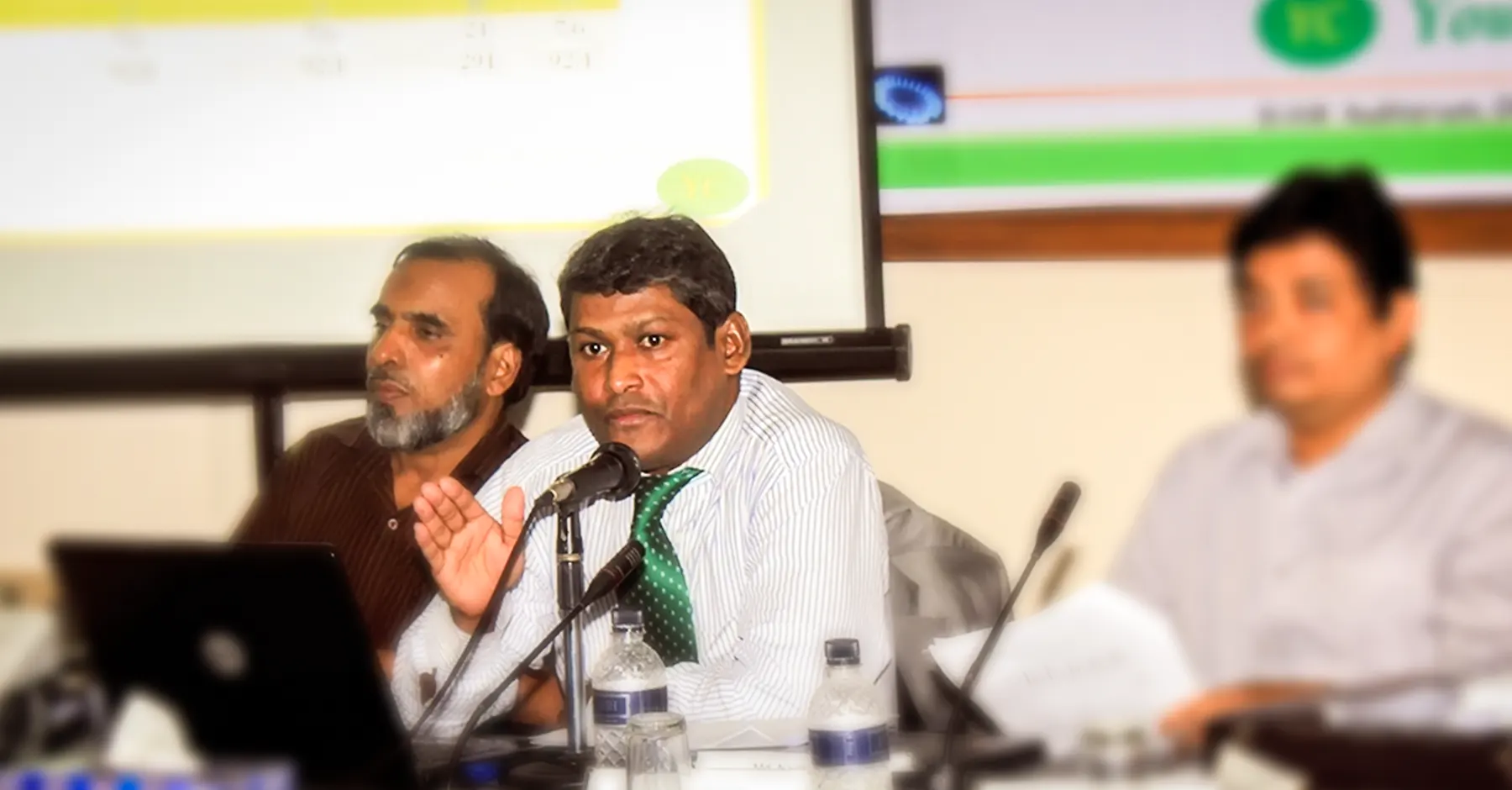
The assignment further involved the development of a dedicated website enabling users to search for SME clusters by administrative division, district, and sector and access their basic profiles. This digital platform was intended to improve the accessibility and practical application of the mapping results for SMEF and other relevant stakeholders. YC also undertook data analysis and prepared the draft study report, consolidating the findings of the nationwide field investigations, cluster identification and classification, GIS-based mapping, and database development. The draft findings were presented at a stakeholder meeting for validation, allowing relevant stakeholders to review the results and provide comments and observations. The final report was subsequently prepared and submitted, incorporating the feedback received through the validation process.
The assignment was implemented with an approximate contract value of US$ 33,880 and an estimated input of 15 staff-months. Through the nationwide identification and mapping of SME clusters, development of GIS-based information systems, preparation of standardized cluster profiles, and establishment of searchable databases, YC supported SMEF in strengthening its information base for SME development planning. The resulting outputs provided a structured national overview of existing and potential SME clusters, including agro-based enterprises, to inform sector-specific development strategies, facilitate the identification of investment and growth opportunities, and support more targeted interventions for enhancing the competitiveness and sustainability of SMEs in Bangladesh.
Sat - Thu: 09:30AM - 05:30PM
Fri: Closed