Nepal Landslide: Understanding Nepal and the Recent Himalayan Disaster
Nepal, Nepal info is currently drawing global attention following a devastating landslide and flood disaster near the Nepal–Tibet border. For readers asking what is in Nepal, the country is known for the Himalayas, Mount Everest, rich cultural heritage, historic temples, forests, rivers and diverse communities. Nepal is also an important destination for tourism, trekking and international development.
Many people search “Nepal is in what country” or “what is the Nepal.” Nepal is not inside another country. Nepal is a country in South Asia, located between India and China. The Nepal country is a landlocked nation whose dramatic Himalayan geography creates both extraordinary natural beauty and serious exposure to natural disasters.
The recent Nepal landslide disaster demonstrates this vulnerability. In late August 2026, a major ice-and-rock collapse near the Nepal–Tibet border triggered destructive mudslides and flash flooding. Communities, roads, homes and infrastructure were severely affected, while large-scale rescue and recovery operations continued as authorities assessed casualties and searched for missing people.
The tragedy also highlights the importance of disaster preparedness, climate resilience and sustainable infrastructure. Effective consultants, professional consulting and strategic consultancy can support governments, communities and development partners in risk assessment, resilient infrastructure planning, emergency preparedness and long-term recovery.
As Nepal moves from emergency response toward rebuilding, the disaster serves as a powerful reminder that development in vulnerable regions must combine environmental understanding with expert planning. For organisations working in development and disaster resilience, professional consulting and evidence-based consultancy remain essential to creating safer and more sustainable communities.
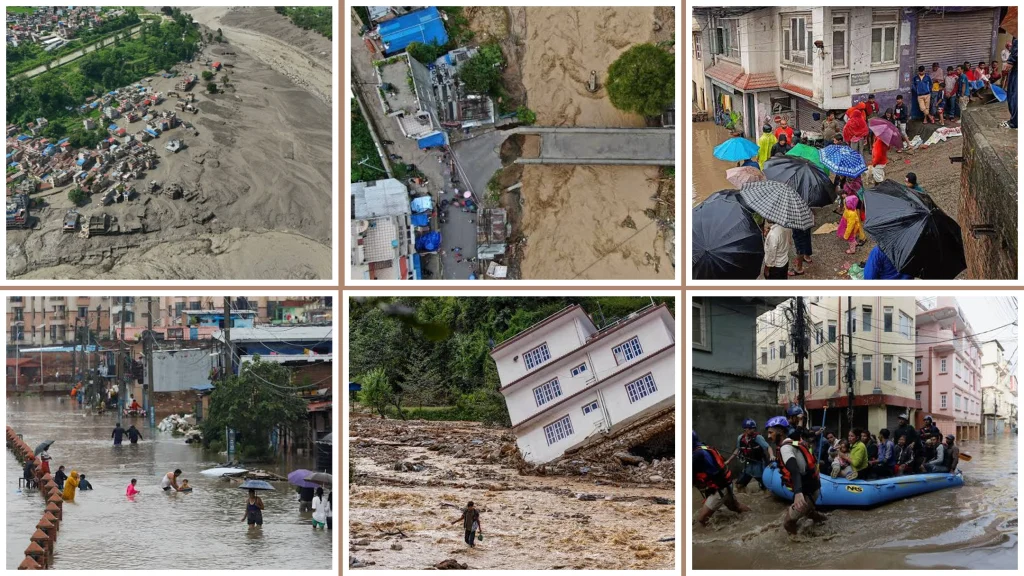
Images from Landslide Disaster