Technical Assistance to IDCOL for the Green Climate Fund Programme on Large-Scale Adoption of Energy Saving Technologies in the Textile and Readymade Garment (RMG) Sectors of Bangladesh “Technical Assistance to IDCOL — GCF Energy Efficiency Programme for Textile & RMG (FP150)”
Clients:
Infrastructure Development Company Limited (IDCOL) — Accredited Entity of the Green Climate Fund (GCF)
Duration:
“January 2025 – Ongoing”
PROGRAMME VALUE
USD 340.5 million total — GCF financing of USD 256.5 million (a USD 250 million concessional loan plus USD 6.48 million grant), with USD 84 million in co-financing.
OVERVIEW
Young Consultants is engaged by IDCOL as Technical Assistance (TA) Consultant to the Green Climate Fund programme FP150, “Promoting private sector investment through large scale adoption of energy saving technologies and equipment for the Textile and Readymade Garment (RMG) sectors of Bangladesh.”
Approved by the GCF Board in November 2020 and made effective in October 2022, FP150 is Bangladesh’s first concessional GCF credit line and the largest single-country private sector commitment made by the Fund. It exists to break a specific deadlock: Bangladesh’s RMG sector is the country’s single largest industrial source of CO₂ emissions at 15.4%, with textiles close behind at 12.4%, yet factory owners have historically lacked both the affordable long-tenor financing and the in-house technical expertise needed to justify replacing energy-intensive equipment.
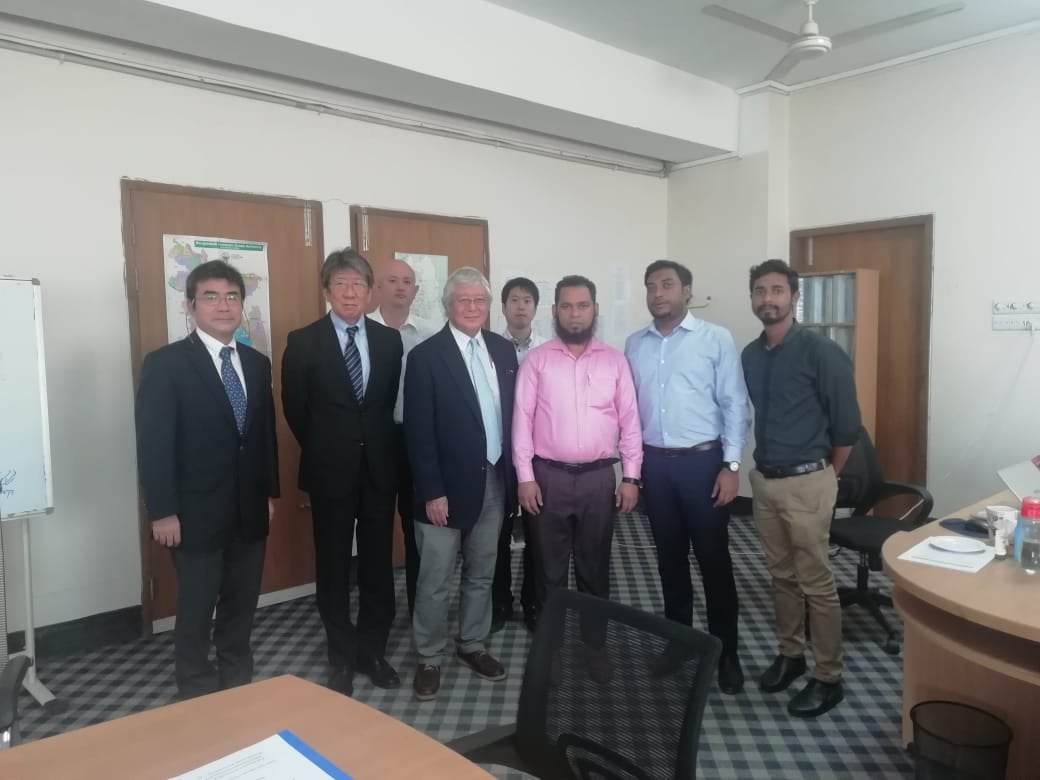
YC’s mandate sits on the technical side of that equation. The firm establishes what these factories actually consume, identifies where the savings are, prepares mills to borrow, and puts in place the measurement systems that allow both IDCOL and the GCF to prove the emission reductions were real.
The assignment covers four connected workstreams:
Baseline energy assessment and sector benchmarking — primary data collection across textile and RMG facilities, establishing sub-sector energy consumption baselines and specific energy consumption (SEC) benchmarks that serve as the reference point for the whole programme.
Factory-level energy audits and technical assistance — walk-through and detailed energy audits identifying viable energy efficiency measures, with savings, investment and payback analysis prepared to the standard lenders require.
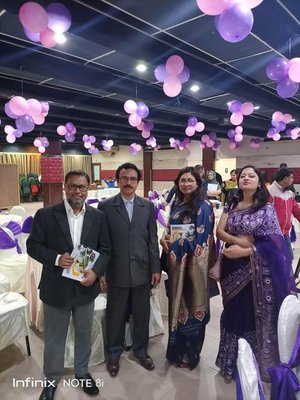
Awareness building, capacity development and pipeline generation — factory outreach, workshops and training that translate the financing offer into terms mill management can act on, and convert interest into a bankable borrower pipeline for IDCOL.
MRV, monitoring & evaluation, and GHG reporting — measurement and verification protocols for realised energy savings, GHG emission reduction accounting, and the reporting inputs IDCOL requires to meet GCF Annual Performance Report obligations.
KEY OUTCOMES
Established the sector-wide energy consumption baseline for participating textile and RMG sub-sectors, giving IDCOL and the GCF a defensible reference point for measuring programme impact.
Delivered factory-level energy audits translating engineering findings into investment-grade proposals that mills can take to a lender.
Built awareness among mill owners and technical staff of the energy efficiency measures and concessional financing available under the programme, expanding IDCOL’s project pipeline.
Put MRV and GHG accounting systems in place supporting the programme’s target of 53 million tonnes of CO₂-equivalent reduction over its lifetime.
Contributed to a programme whose co-benefits reach a workforce that is approximately 80% women, through improved air and water quality, safer working conditions and green job creation.
SECTOR
Renewable Energy and Energy Efficiency; Environment and Climate Change
SERVICES
Energy Efficiency and Renewable Energy Solutions; Environmental Sustainability and Climate Solutions; Monitoring & Evaluation; Training & Capacity Building; Project Management & Implementation Support; Industry Research & Social Survey