The Process Mapping Exercise for Government-to-Business (G2B) Services and Design of Business Process Reengineering (BPR) Activities was undertaken under the Bangladesh Investment Climate Fund (BICF), implemented with support from the International Finance Corporation (IFC), to identify administrative and regulatory constraints affecting the business environment in Bangladesh and formulate recommendations for simplifying government service delivery. The assignment aimed to systematically examine existing regulatory processes at the national and sub-national levels, identify procedural inefficiencies and administrative bottlenecks, and develop redesigned processes to facilitate a more efficient, transparent, and investment-conducive regulatory environment. A principal objective of the initiative was to reduce the time and costs incurred by businesses in complying with administrative requirements, with BICF targeting an overall reduction of 25% in the time and costs associated with relevant regulatory processes at the national and municipal levels.
The assignment covered Dhaka and three districts of Bangladesh, encompassing regulatory processes administered by national government institutions and sub-national authorities, including municipalities. The assessment focused on understanding the existing procedures, documentation requirements, institutional responsibilities, approval mechanisms, processing timelines, and compliance costs associated with selected government-to-business services. The exercise was designed to establish a clear understanding of the interactions between businesses and public institutions, identify opportunities for procedural simplification, and formulate practical recommendations for improving the efficiency of regulatory administration. Particular emphasis was placed on evaluating the implications of existing processes for domestic businesses and foreign investors, with a view to strengthening the overall investment climate and facilitating private-sector development.
Under this assignment, Young Consultants (YC) supported the international process mapping team in conducting a comprehensive review of existing regulatory processes and developing corresponding As-Is and To-Be process maps for 24 regulatory processes at the national and sub-national levels. The assignment commenced with a kick-off meeting involving the BICF Task Manager and international experts, followed by the finalization of a detailed work plan in consultation with the relevant team members. YC reviewed applicable statutory and regulatory documents, including statutory rules and orders (SROs), Acts, ordinances, rules, and regulations, to establish the formal procedural requirements governing the selected services. The team also identified the relevant business regulatory processes in consultation with BICF and prepared process maps reflecting the existing legal and administrative frameworks.
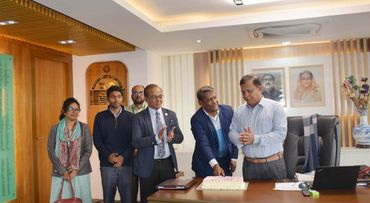
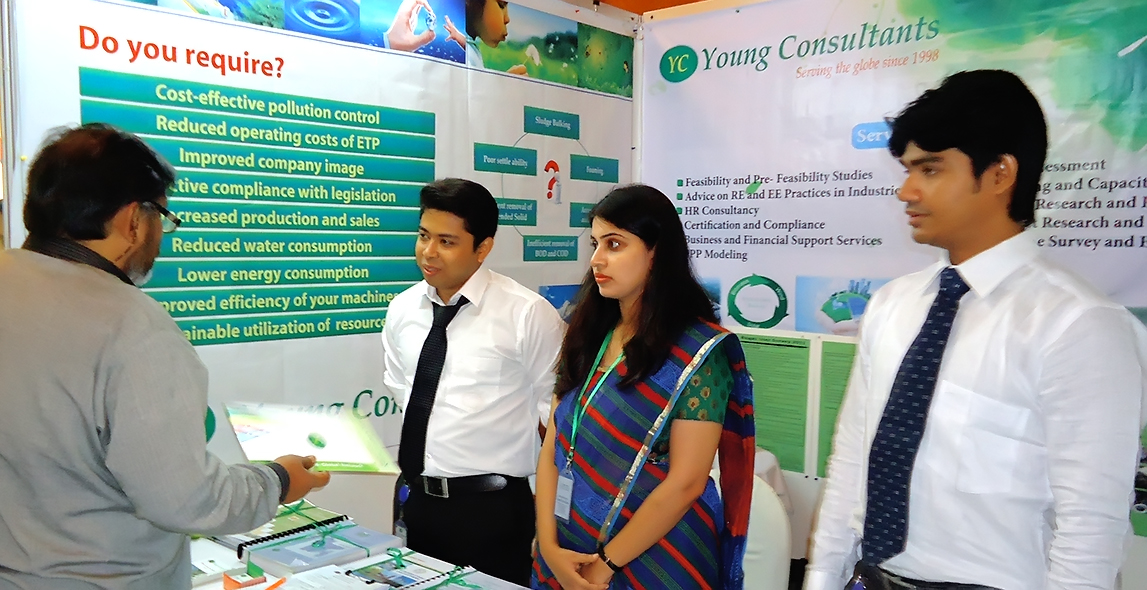
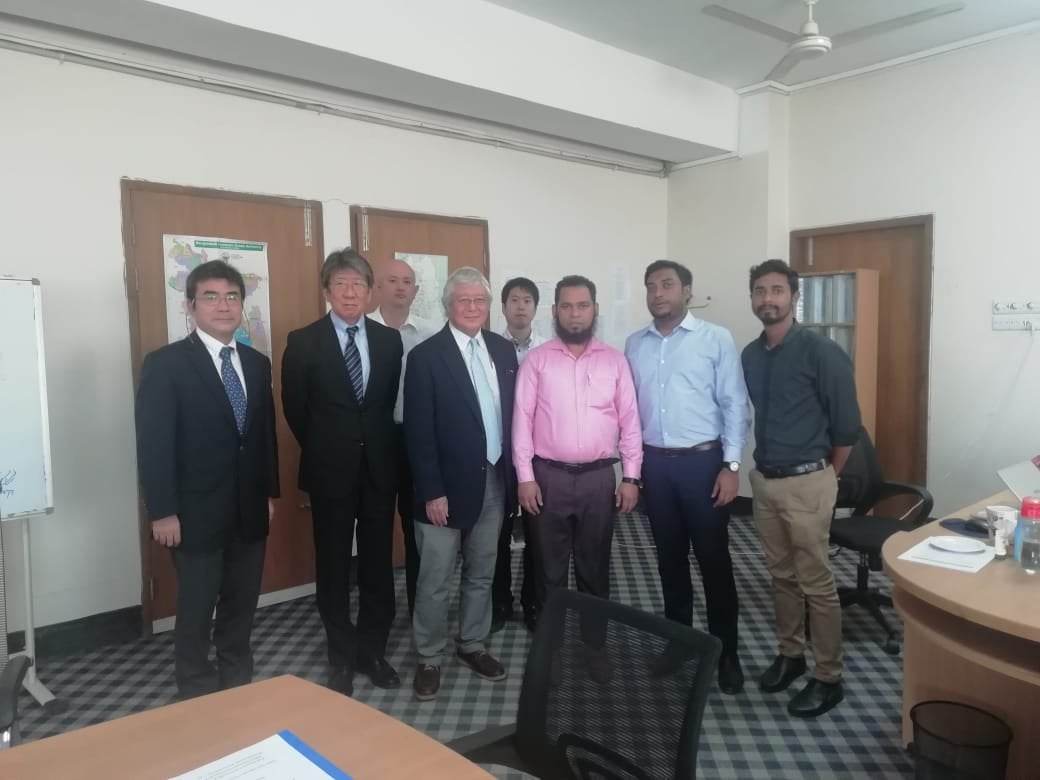
The stakeholder consultation component involved identifying relevant government officials and institutional representatives, establishing contacts, and arranging meetings with public authorities responsible for administering the selected regulatory services. Consultations were conducted with officials at both the national institutional level and the sub-national or municipal level to document actual administrative practices, institutional responsibilities, procedural requirements, and operational challenges. In parallel, Key Informant Interviews (KIIs) were conducted with representatives of the business community to obtain direct insights into the practical difficulties encountered in accessing government services and complying with regulatory obligations. Focus Group Discussions (FGDs) were also organized with sectoral business associations and representatives of foreign investors to capture stakeholder experiences, identify regulatory constraints, and assess the implications of existing procedures for business operations and investment decisions.
A key component of the assignment involved establishing baseline data to assess regulatory compliance costs and estimate the potential scope for savings resulting from process simplification. YC contributed to the development of baseline information on the time, labour, and monetary costs associated with the selected regulatory processes, including the identification of the relevant cost components and their sources. The assignment also involved conducting impact assessments of the selected processes and undertaking cost-benefit analyses from both government and business perspectives. Flowcharts and process mapping techniques were used to illustrate procedural sequences, identify redundant steps and administrative bottlenecks, and examine opportunities for improving efficiency, reducing compliance burdens, and strengthening service delivery.
Based on the findings of the process mapping exercise and stakeholder consultations, YC assisted the international experts in identifying opportunities for business process reengineering and developing redesigned To-Be processes. The work involved contributing to the formulation of BPR activities intended to simplify administrative procedures, improve institutional coordination, reduce unnecessary documentation and processing requirements, and enhance the predictability of government services. The team also examined the potential application of information and communication technology (ICT) to improve service delivery, facilitate administrative processes, and reduce the time and costs associated with regulatory compliance. A comprehensive implementation work plan was prepared to outline the proposed BPR activities and support their systematic implementation.
The assignment further involved documenting the findings, analytical results, and recommendations arising from the process mapping exercise in a comprehensive final report. The report addressed the existing and redesigned regulatory processes, baseline compliance costs, potential savings, impact assessment findings, cost-benefit considerations, and the estimated time, labour, and monetary resources required for the relevant activities, together with their sources. Through the systematic documentation and analysis of 24 regulatory processes, the assignment provided an evidence-based foundation for identifying administrative reforms and prioritizing process simplification measures to improve the business environment in Bangladesh.
The assignment was undertaken over a seven-month period, from November 2011 to June 2012, with an approximate contract value of US$ 34,000 and an estimated input of 5.27 staff-months. Through its contributions to regulatory review, stakeholder consultations, process mapping, compliance cost assessment, impact analysis, and BPR design, YC supported IFC-BICF in identifying practical opportunities to streamline government-to-business services, reduce administrative burdens, and promote a more efficient and investment-friendly regulatory environment in Bangladesh.
Sat - Thu: 09:30AM - 05:30PM
Fri: Closed